
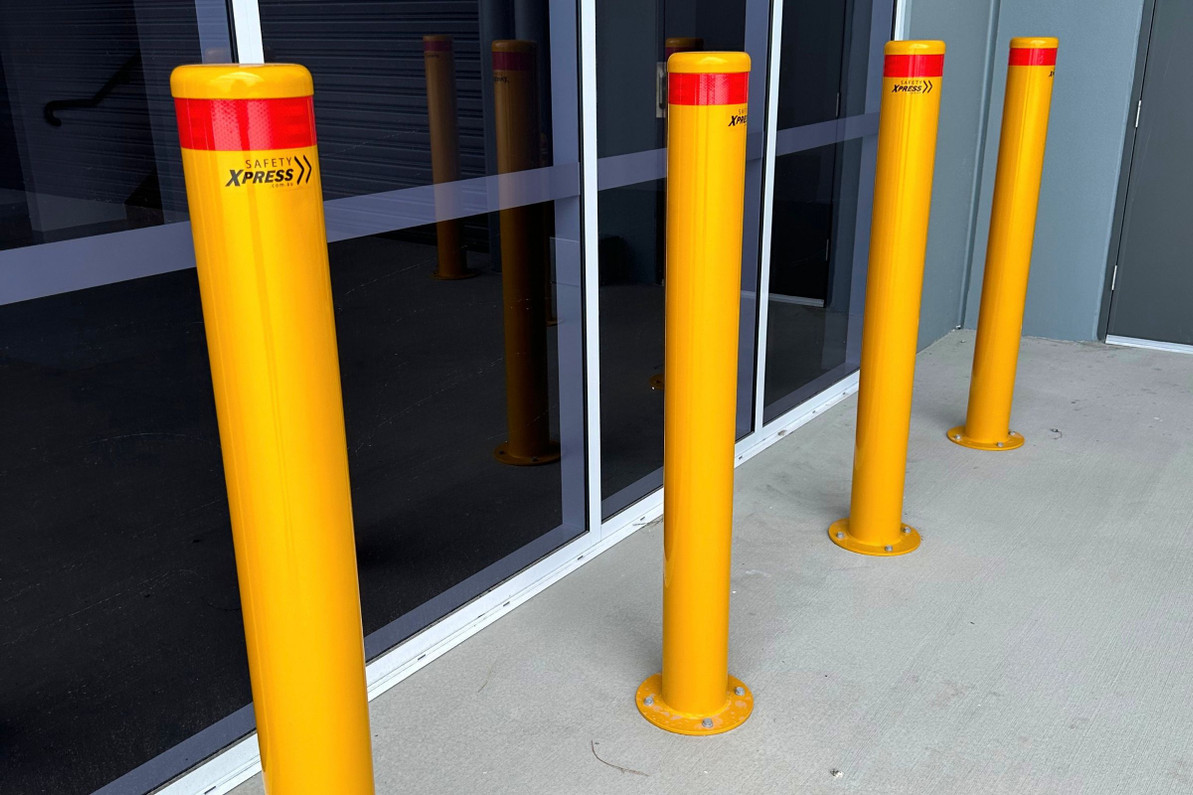
Which Bollard Do I Need?
The right bollard depends on what you need to protect, where it will be installed and how vehicles move through the area. A car park, warehouse, shopfront, driveway or pedestrian space may each need a different type of bollard.
Choosing too hastily can create problems. A bollard that works for parking control may not suit asset protection. A removable bollard may help with changing access needs, while a fixed bollard may be better for permanent protection.
This guide explains the main bollard types and how to match them to your location.
What is a bollard used for?
A bollard is a short post used to help manage vehicles, guide traffic, protect assets and separate people from moving vehicles. Bollards in Australia are commonly used in car parks, warehouses, loading areas, driveways, shopfronts and pedestrian spaces.
Bollards are classified as road safety devices, which may be relevant for sites where vehicle impact risk, traffic movement or public safety requirements need closer review.
Some bollards are used mainly as visual guides. Others are installed to restrict access or reduce the risk of vehicles reaching a building, doorway, utility area or piece of equipment. The right choice depends on the level of risk and the way the space is used each day.
What are the main types of bollards?
The main types of bollards include fixed bollards, removable bollards, flexible bollards, parking bollards, asset protection bollards and security bollards. Each type has a different purpose, so it helps to start with the problem you want to solve.
The main types of bollards include fixed, removable, flexible, parking, asset protection and security bollards.
Fixed bollards
Fixed bollards are used for permanent protection around shopfronts, warehouse entrances, roller doors, machinery, loading bays and site boundaries.
Removable bollards
Removable bollards suit areas that need controlled access at some times and open access at others, such as shared driveways, private parking areas and service entries.
Flexible bollards
Flexible bollards help guide traffic, mark lane edges and improve visibility in car parks, warehouse walkways and shared traffic areas.
Parking bollards
Parking bollards help manage private bays, reserved spaces, no-parking zones and vehicle movement in apartment, office and retail car parks.
Asset protection bollards
Asset protection bollards help protect racking, roller doors, utilities, machinery, building corners and service areas from vehicle contact.
Security bollards
Security bollards help keep vehicles away from shopfronts, entry points, pedestrian areas, public-facing buildings and restricted zones.
How do I know which bollard is right for my site?
The right bollard is the one that matches your risk level, access needs, surface type and vehicle movement. Start by looking at the real use of the space, not just the product style.
Ask these questions before choosing:
- What are you trying to protect?
- Are cars, vans, trucks or forklifts using the area?
- How often do vehicles pass through?
- Does access need to stay open at certain times?
- Is the bollard going indoors or outdoors?
- Is the surface concrete, asphalt or another material?
- Does the bollard need to stand out visually?
- Is the area private, commercial, public or shared?
What bollard is best for asset protection?
Fixed or asset protection bollards are usually best for protecting equipment, walls, racking, doors and utilities. They are often used in warehouses, loading areas and industrial sites where reversing vehicles, forklifts or tight turning spaces can put assets at risk. Placement matters, as the bollard should protect the asset without blocking drivers, staff, deliveries or maintenance access.
What bollard is best for parking control?
Parking bollards and removable bollards are commonly used for parking control because they help manage bay use, private access and no-parking areas. They are often used in apartment buildings, office car parks, retail centres, visitor bays and shared driveways. Fixed bollards may suit permanent parking control, while removable bollards may suit areas that need changing access.
Which bollard is best for pedestrian safety?
Security bollards, fixed bollards and high-visibility bollards can help separate pedestrians from vehicle movement. They are often used near walkways, schools, childcare centres, shopping areas, building entries and commercial spaces. In busy areas, bollards may work with signs, line marking, kerbs or barriers to make pedestrian and vehicle paths clearer.
What should you check before installing bollards?
Before installing bollards, check the surface, fixing method, access path, vehicle movement and nearby services. Concrete, asphalt and other surfaces may need different installation methods. It also helps to check underground services, drainage points, door clearance, turning circles, visibility at night and maintenance access before installation begins.
Choose the right bollards with Safety Xpress
Safety Xpress supplies bollards for car parks, warehouses, shopfronts, loading areas, driveways and pedestrian spaces. The range includes options suited to access control, parking management, traffic guidance and asset protection.
If you are comparing bollards, start with the location, the asset at risk and the type of vehicle movement nearby. You can explore bollard options through the Safety Xpress bollards range or speak with the team about products for your site.
For help choosing the right bollards with Safety Xpress, contact us.
Recent Posts
-
Traffic Signs for Car Parks
What Traffic Signage Does My Car Park Actually Need? The Complete Compliance Guide There is no singl …2nd Oct 2026 -

Which Safety Mirror Is Right For Your Space?
Which Safety Mirror Is Right For Your Space? Improve Visibility and Reduce Blind Spots in Workplaces …14th Aug 2026 -
What Is the Ideal Size and Placement of Convex Mirrors in Underground Car Parks?
Underground car parks come with built-in blind spots. Tight ramps, sharp corners and rows of concret …5th Aug 2026