
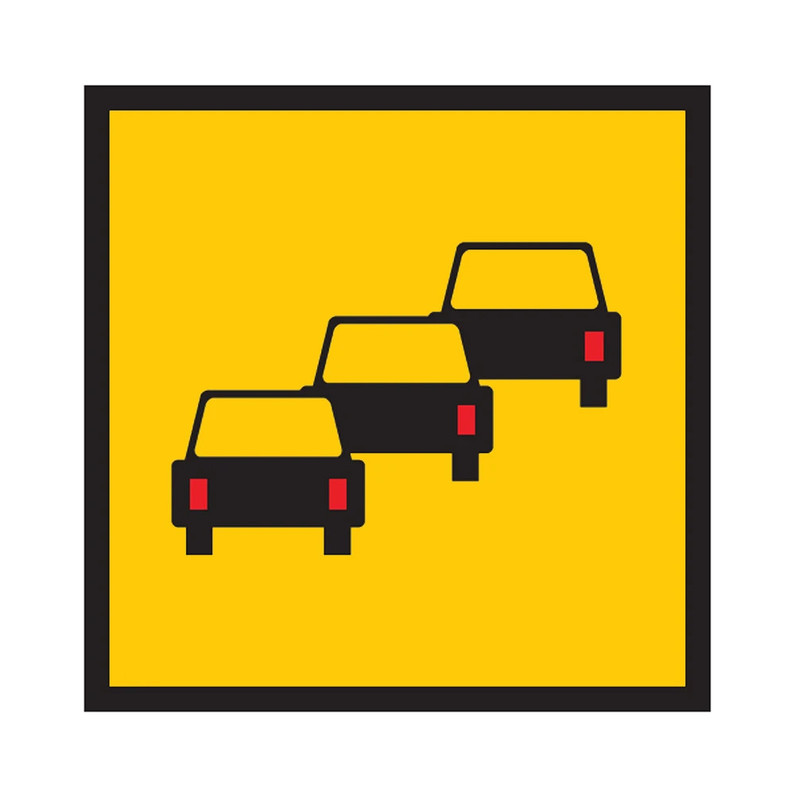
Traffic Signs for Car Parks
What Traffic Signage Does My Car Park Actually Need? The Complete Compliance Guide
There is no single list of traffic signs that every Australian car park must display. The signs you need depend on the layout, traffic flow, accessible parking, hazards and local approval requirements.
This guide by the team at Safety Xpress covers the main standards, regulatory signs, accessible parking requirements, hazard warnings and installation checks.
Which Australian Standards apply to car park signage?
Several Australian Standards can apply to car park signage, depending on the type of parking area and the controls required.
AS/NZS 2890.1:2004 covers off-street car parking, including parking spaces, access and vehicle movement. For traffic control within the car park, the AS 1742 series provides requirements for signs and road markings. AS 1742.2:2022 covers regulatory and warning signs, while AS 1742.11:2025 addresses parking control signs and pavement markings.
Accessible parking has its own requirements under AS 2890.6:2022, which is also referenced by the National Construction Code.
Australian Standards are not automatically mandatory in every situation. They can become legally enforceable when referenced by legislation, regulations or contracts. State, territory and council requirements may also apply, so check the rules and approval conditions relevant to your site.
Which regulatory signs might your car park need?
Regulatory signs help control how vehicles move through a car park and where they can enter, stop or travel. The signs required will depend on the layout, traffic flow and any restricted or shared areas.
Speed limit and shared zone signs
Speed limit signs set the operating speed within the car park. Shared zone signs may also be required where vehicles and pedestrians use the same space. The speed shown and the placement of each sign should align with the site’s traffic plan and local requirements.
Stop, Give Way and No Entry signs
Stop, Give Way and No Entry signs help manage intersections, access points and restricted areas. They should be positioned where drivers can clearly see the instruction and respond safely. Signage should also align with stop lines, directional arrows and other pavement markings to keep traffic movements clear and consistent.
What signage is required for accessible parking bays?
Accessible parking signage needs to match the type of car park and the number of spaces provided. The National Construction Code requires applicable accessible parking spaces to comply with AS/NZS 2890.6, which sets requirements for accessible parking spaces and their identification.
In car parks with more than five spaces, accessible bays must include the required signage and pavement markings. Smaller car parks may follow different provisions, so the applicable requirements should be checked before signs or markings are installed.
Sign size and visibility
Accessible parking signs need to be easy to see and read from the approach to the bay. The applicable standard and project documentation should guide the required sign dimensions, placement and any retroreflective properties. Sign size and reflective grade should be selected against those requirements rather than by appearance alone.
Ground markings and vertical signs
Accessible parking bays need to be clearly identified in accordance with the NCC and AS/NZS 2890.6. This generally includes the International Symbol of Access marked on the pavement, yellow line marking around the dedicated bay and appropriate marking of the adjoining shared area.
Depending on the location and applicable state, council or site requirements, additional upright signage may also be required. Checking all applicable requirements helps ensure the space is both compliant and easy for drivers to identify.
When are hazard and height clearance signs needed?
Warning signs should identify hazards before drivers reach them. Common examples include low clearances, speed humps, tight turns and loading areas.
Height clearance warnings are important where taller vehicles could strike an overhead obstruction. Place the warning where drivers still have room to stop or take another route.
How should pedestrian and directional signs be used?
Pedestrian and directional signs help people move through a car park safely and understand where they need to go. They can mark pedestrian crossings, walking routes, exits, one-way traffic and visitor parking, giving clearer guidance to both drivers and pedestrians.
For the best result, these signs should align with line markings and other traffic controls throughout the site. Consistent placement and messaging help make routes easier to follow and reduce confusion around crossings, intersections and access points.
Car park sign installation checklist
Before installing signs, check:
- Which standards, regulations and approval conditions apply
- Where vehicles and pedestrians cross or share space
- Which accessible bays need signs and pavement markings
- Where drivers need warning before hazards or decision points
- The required sign size, mounting position, orientation and reflective class
- That signs match line markings and traffic flow
- That signs remain visible, secure and easy to read
Buy traffic signs for your car park from Safety Xpress
Good car park signage starts with identifying the controls your site needs and checking the requirements that apply. Your signs should work with the traffic layout, remain visible and support safe movement around the site.
Safety Xpress has traffic signs for sale for car parks, workplaces and traffic management applications.
Ready to update your car park? Buy traffic signs from Safety Xpress online or contact the Safety Xpress team for help choosing suitable products.
Recent Posts
-
Free Workplace & Warehouse Safety Inspection Checklists (PDF Download)
Keeping workplaces safe is what matters most to us at Safety Xpress. So let’s ask a simple question: …15th Oct 2026 -
Traffic Signs for Car Parks
What Traffic Signage Does My Car Park Actually Need? The Complete Compliance Guide There is no singl …2nd Oct 2026 -

Which Safety Mirror Is Right For Your Space?
Which Safety Mirror Is Right For Your Space? Improve Visibility and Reduce Blind Spots in Workplaces …14th Aug 2026